
The Psychology of Color in Casinos
Colors play an incredibly significant role in influencing human emotions and behaviors, and casinos are acutely aware of this psychological phenomenon. Rich, vibrant hues like red and gold are often deployed to stimulate excitement and energy among players. Red, in particular, is known to enhance feelings of passion and urgency, encouraging players to engage more actively with their surroundings. This strategic use of color can create an atmosphere that seems to pulse with life and action, driving patrons to spend more time and money at the tables and machines, especially when they explore options like the payid casino experience. By leveraging these colors, casinos aim to craft a lively environment where every detail is designed to keep players engaged.
Moreover, the color blue is frequently utilized to create a sense of calmness, balancing the high-energy reds and yellows. This calming effect can help to ease the anxiety that may accompany gambling, allowing players to focus more on their gameplay. By skillfully blending colors that evoke both excitement and relaxation, casinos aim to maintain a balance that keeps players engaged yet comfortable, ultimately leading to longer gaming sessions. This interplay between stimulating and soothing colors is a crucial aspect of casino design that many players may not consciously recognize but experience on a deep emotional level.
The strategic incorporation of color is not merely aesthetic; it is a calculated approach to manipulation through design. For instance, the lavish use of gold accents often conveys a sense of luxury and indulgence, inspiring players to feel as if they are part of an elite club. These perceptions can heighten the overall experience, fostering a feeling of winning even before any bets are placed. By understanding the psychological impacts of color, casinos can craft environments that entice players to remain longer and gamble more, reinforcing their business model while providing a memorable experience.
The Role of Lighting in Creating Atmosphere
Lighting is another essential element in the design of casinos, as it dramatically influences ambiance and player behavior. Bright, flashy lights surrounding slot machines and table games serve not only as an attraction but also as a motivator for players to step closer and engage. The brilliance of the lights creates a festive atmosphere, reminiscent of a celebration, further enticing visitors. Casinos often use synchronized lighting displays to create a sense of excitement and anticipation, making it feel like a carnival where anything can happen. This use of lighting effectively transforms the gaming floor into an alluring spectacle that draws people in.
Dynamic lighting can also highlight specific areas of the casino, guiding customers toward high-traffic sections such as gaming tables or newly installed slot machines. Soft, dim lighting in lounges or restaurant areas encourages players to take breaks from gaming, fostering social interaction and enhancing the overall experience. The contrast between bright gaming areas and softer relaxation zones allows casinos to manage gameplay flow while ensuring players remain comfortable and engaged. This thoughtful consideration of lighting creates a balance that enhances the overall casino experience, making it enjoyable and memorable.
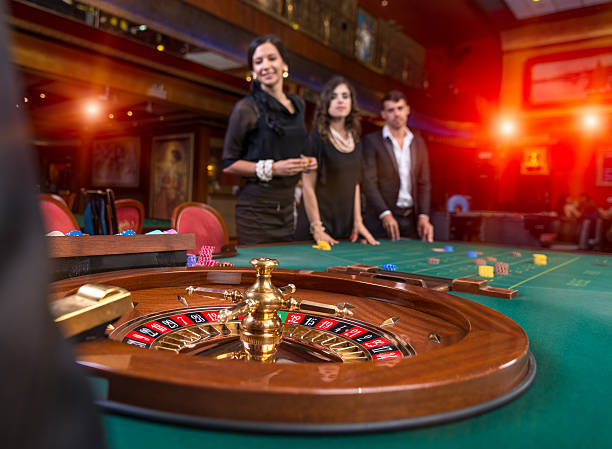
Furthermore, specialized lighting techniques, such as the use of LED walls, can create immersive environments that enhance the overall thematic experience of the casino. These visual spectacles often include animated imagery or even live feeds, pulling in players and immersing them in a captivating world. By manipulating lighting creatively, casinos can heighten emotional experiences, keeping players enchanted and eager to return for more. Through these innovative lighting strategies, casinos can tell a visual story that resonates with patrons on multiple levels.
Influencing Player Behavior Through Design
Casinos are expertly designed not just for aesthetic appeal but to influence player behavior strategically. The layout of the casino floor is often a maze, making it challenging for players to navigate and encouraging exploration. This design tactic leads players to discover new games or promotional areas while heightening excitement. The use of color and lights effectively guides individuals through these pathways, steering them toward high-potential areas for revenue generation. This calculated layout is essential for maximizing foot traffic and ensuring that players encounter various gaming options.
Additionally, the arrangement of gaming options significantly impacts player choices and time spent on the casino floor. By strategically placing high-yield slot machines near entrances or communal areas, casinos can capture attention and encourage players to try their luck. This design manipulation is further amplified by the lighting and color surrounding these machines, which are often used to create an air of mystery and allure. This kind of strategic placement and design is an art in itself, meant to maximize the likelihood of interaction and extended playtime, ensuring the casino remains a vibrant hub of activity.
Moreover, ambient sounds, combined with vibrant colors and flashing lights, work in harmony to create an immersive environment that can mask the passage of time. This sensory overload keeps players engaged, often leading them to lose track of time, thus increasing the time and money they invest. By understanding these complex interactions and employing them adeptly, casinos can ensure a steady influx of players who feel compelled to engage continually. This strategic orchestration of elements is what makes casino design both intriguing and effective.
The Cultural and Social Significance of Colors and Lights
The cultural significance of colors can vary widely across different societies, and casinos often take this into account when designing their environments. For instance, white might symbolize purity in some cultures, while in others, it may symbolize mourning. Casinos tailor their color schemes to resonate with their target demographic, ensuring a familiar and inviting atmosphere. This cultural sensitivity can enhance the overall experience for players and increase a sense of belonging, making them more likely to return. By being aware of these cultural nuances, casinos can create environments that feel inclusive and welcoming to diverse audiences.
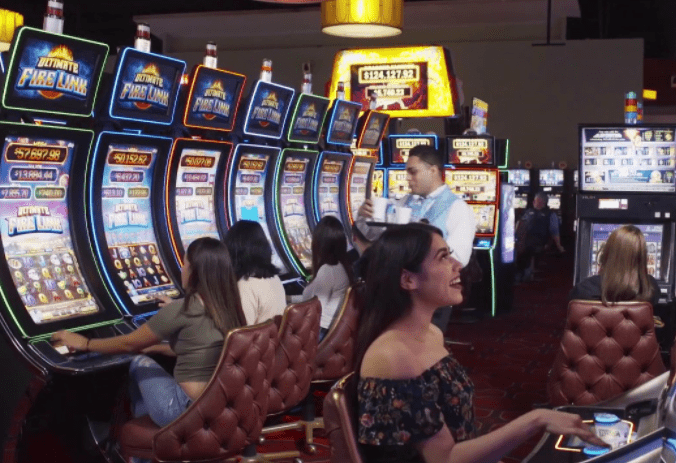
Social interactions within a casino are also influenced by color and lighting. Bright colors and vivid lighting can foster a sense of community among players, who may find themselves drawn together by the shared excitement of nearby machines. This synergistic effect is carefully crafted to encourage camaraderie and prolong engagement. Features like vibrant color schemes and dynamic lights help cultivate an atmosphere where players celebrate wins together, fostering a sense of belonging and enhancing the overall ambiance. This social aspect is integral to the casino experience, making it more enjoyable for patrons.
Furthermore, casinos often collaborate with artists and designers to create unique, immersive experiences that reflect local culture and tradition. The incorporation of local motifs or symbolic colors into the design can connect visitors with the local heritage, creating a sense of appreciation and excitement. By intertwining cultural elements with their color and lighting strategies, casinos not only enhance aesthetic appeal but also deepen their connection with patrons. This thoughtful integration allows casinos to stand out and resonate with the communities they serve.
Enhancing the Online Casino Experience
The principles of using specific colors and lights are just as important in the online casino environment as they are in physical establishments. Online platforms often utilize vibrant colors and appealing designs to capture the attention of potential players. The careful selection of color schemes can evoke specific emotions and inspire users to engage more deeply with the games being offered. For example, bright and cheerful hues can invite a sense of fun and entertainment, encouraging players to explore different game options. This strategic use of color is crucial in creating an inviting online atmosphere that mirrors the excitement of physical casinos.
Moreover, animations and digital lighting effects play a critical role in mimicking the excitement of a live casino experience. Online games may feature bright flashes or progressive lighting as jackpots are triggered, imitating the thrill of winning you would experience in a brick-and-mortar casino. This digital adaptation of color and light elevates the online gaming experience, making it feel more immersive and engaging for players. By successfully replicating these sensory elements, online casinos can provide a compelling alternative to physical gaming.
As the online gaming landscape becomes increasingly competitive, understanding the impact of color and lighting is essential for operators. By employing sophisticated design techniques that echo the vibrant atmosphere found in physical casinos, they can create more appealing interfaces that attract new players while retaining existing ones. A thoughtfully designed online casino can mirror the excitement and allure of its physical counterparts, ensuring players have an unforgettable experience from the comfort of their homes. This blend of technology and design is key to thriving in the ever-evolving world of online gaming.